
A PulsaCoil engineer can diagnose faults in Petts Wood homes and recommend a repair after inspecting the system. Homeowners, tenants and landlords can request an assessment when the appliance stops providing reliable domestic hot water. The right repair depends on the fault found and the model installed at your property.
A useful diagnosis can help you understand whether a repair is suitable and what work it involves. It also gives you a basis for discussing the proposed work before you agree to it. If you need help today, describe the problem clearly when you contact the repair team. Attendance and repair times depend on the circumstances.
The immediate priority is a safe diagnosis, not guessing which part has failed.
Pulsacoil Repair Petts Wood for Hot-Water Faults
A persistent hot-water shortage can signal a fault, but household demand and store size also affect how much water is available. Report symptoms such as no hot water, an intermittent supply, warning indicators or visible leaks. These details help an engineer understand the issue, but a shortage alone does not prove that a component needs repair.
Useful symptoms to report include:
- No domestic hot water at the taps.
- Hot water that stops and starts during use.
- A warning indicator showing on the system.
- Water visible around the appliance or nearby pipework.
Before considering repairs, compare the supply with the household’s usual demand. A starting estimate for thermal-store sizing is 35-45 litres per resident. The estimate is not a guarantee of capacity, since shower length, bath use and other household habits change daily consumption.
| Consumption category | Daily use per person | Usage profile |
|---|---|---|
| Low | 20-30 litres | lower demand |
| Average | 30-50 litres | typical demand |
| High | 50-70 litres | higher demand |
A shower uses about 18 litres of hot water per minute at 40°C, equivalent to 11 litres at 60°C. A bath uses about 100 litres at 40°C, equivalent to 60 litres at 60°C. These figures show why a household’s choice of shower or bath can affect how quickly its supply runs down.
Under the sizing calculation used by the EU energy labelling scheme, a four-person household requires a minimum 200-litre hot-water tank. The installer is responsible for calculating the correct tank size. A water shortage might relate to demand, sizing or a fault in the system, so the cause should be checked before agreeing a price for component work.
If shortages persist despite ordinary use, ask whether the store size suits the household. If demand routinely exceeds supply, ask for the store size to be checked before agreeing to a component replacement.
How a PulsaCoil Thermal Store Supplies Hot Water
The PulsaCoil Stainless is an open-vented thermal store that heats mains cold water through a plate heat exchanger. A plate heat exchanger is a component that transfers heat to mains cold water through separate channels without mixing that water with the water held in the thermal store.
As mains cold water passes through the exchanger, heat transfers from the stored water into the flowing supply. The two water flows remain separate. This arrangement lets the appliance provide domestic hot water without storing the household’s mains water in the thermal store itself.
The open-vented PulsaCoil Stainless is one Gledhill PulsaCoil model. The stainless construction is part of the model name, and other versions may have different labels or features. An engineer can identify the installed model from its label and assess its condition before discussing any repair work.
Open-vented PulsaCoil appliances do not require annual service, maintenance or a safety check. That rule applies to this type of appliance, not to every hot-water cylinder. A routine service should not be assumed just because a different cylinder in the property has one.
Some systems, including unvented cylinders, may need a yearly check for safety and warranty cover. The yearly check for unvented cylinders is distinct from the requirements for an open-vented PulsaCoil. The appliance type matters when you check which maintenance rules apply to your home.
Keep the model details with the property records if you are a landlord or managing agent. That can help distinguish the thermal store from other cylinders or heating equipment when arranging support. Do not assume that an unvented-cylinder service schedule applies to an open-vented PulsaCoil.
What an Engineer Checks During a PulsaCoil Repair
An engineer should test the PulsaCoil and identify the fault before recommending a repair or replacement part. The checks may cover electrical controls, temperature sensing, the immersion heater or visible leaks. The work needed depends on test results, so an example task is not a diagnosis by itself.
For a Gledhill PulsaCoil, an engineer may check whether the control responds as expected and whether sensors give suitable readings. They can also assess the immersion heater and inspect accessible areas for signs of leaking. These checks help separate a component fault from an issue that needs a different response.
| Work area | Example task | Type of work |
|---|---|---|
| immersion heater | replacement | component replacement |
| thermostat | fault repair | temperature-control repair |
| sensor | testing or replacement | fault diagnosis or component replacement |
| PCB and electrical system | fault diagnosis | electrical investigation |
| leak | leak repair | leak identification and repair |
Common work can include thermostat or sensor fault repair, PCB and electrical fault diagnosis, leak repair and fault-code troubleshooting. An immersion heater replacement may be considered if testing identifies a problem with that component. The engineer should explain how the findings support the proposed repair.
Before you agree to work, ask focused questions about what the tests showed and what the repair will address. Clear answers make it easier to understand the scope and any limits of the work.
- What test identified the fault?
- What work do you recommend, and why?
- Are any follow-up checks needed after the repair?
A fault involving the electrical system needs qualified attention rather than casual investigation. Stop using the system and arrange qualified help if the fault appears to involve electrical components.
Repair Price, Parts and Replacement Decisions
The repair price depends on the fault found, the PulsaCoil model, the parts required and the work agreed. A quote should relate to the appliance and the proposed job, rather than a generic charge for all Gledhill PulsaCoil repairs.
Model identification matters because similarly named systems can use different components. For example, named PulsaCoil ECO Stainless parts include immersion heater SH003, rated at 3 kW, thermostat rod XB081, sight glass XB443 and immersion O-ring ZB004.
These examples help identify the part an engineer may need to assess, but they do not confirm that a particular item suits your appliance. The label and the system’s condition guide the choice. Parts availability can also affect how the work is arranged, so do not assume a component is in stock.
Ask the engineer to explain which part is needed and how it relates to the fault. A sight glass, thermostat rod or immersion heater can have a different role in the appliance. The proposed work should name the component and describe what the charge covers.
Before authorising anything, ask for the agreed work and charge in clear terms. Check whether the quote includes the required parts, labour and any related installation work. If the recommendation changes after further testing, ask for the revised scope and cost before approving it.
Replacement is a decision to discuss after the engineer has assessed the system’s condition and repair options. Age alone does not establish whether the cylinder should be replaced. The assessment should take account of the fault, the state of the appliance and the work needed to restore its function.
Repair and replacement are different choices, and neither should be assumed to be the better value before the system has been assessed. Ask what each option involves, including any installation work, and consider how it fits the property’s needs.
Ask for the agreed work and any parts charge to be confirmed before authorising the repair.
Booking an Engineer for a Petts Wood Visit
A clear model label and a concise description of the fault help an engineer prepare for a PulsaCoil appointment. When you book repair support, share enough detail for the team to understand which appliance is installed and what has changed. The model labels differ across PulsaCoil systems.
Labels may read PulsaCoil 1, PulsaCoil 3, PulsaCoil 2000, A-Class, BP, PCS, PCR, ECO Stainless or ThermaCoil. If the label is difficult to read, say so when you call rather than guessing the model. A photo may help you share the wording accurately, if the team requests one.
Have these five details ready when booking:
- The model label on the appliance.
- A short description of the fault.
- When the fault began.
- Whether hot water is still available.
- Whether you have noticed leaks or warning indicators.
Tell the booking team whether the property is occupied and who will meet the engineer, if relevant. This can help the team plan access without making assumptions about the home. If the appliance is in a cupboard or a restricted area, mention that when arranging the visit.
Before confirming an appointment, ask what information or access the engineer needs. You can also ask whether someone should be present throughout the visit and whether the area around the appliance needs to be clear. The team can explain what preparation is useful for your property.
Keep any paperwork that identifies the system to hand, especially if the appliance label is unclear. Accurate details can prevent confusion between a Gledhill PulsaCoil and another heating unit. Do not promise yourself a first-visit fix, since the work depends on the diagnosis and the parts required.
Explain any changes in the fault after making the booking, so the engineer has the latest details. Tell the booking team immediately if the system is leaking or the fault appears electrical.
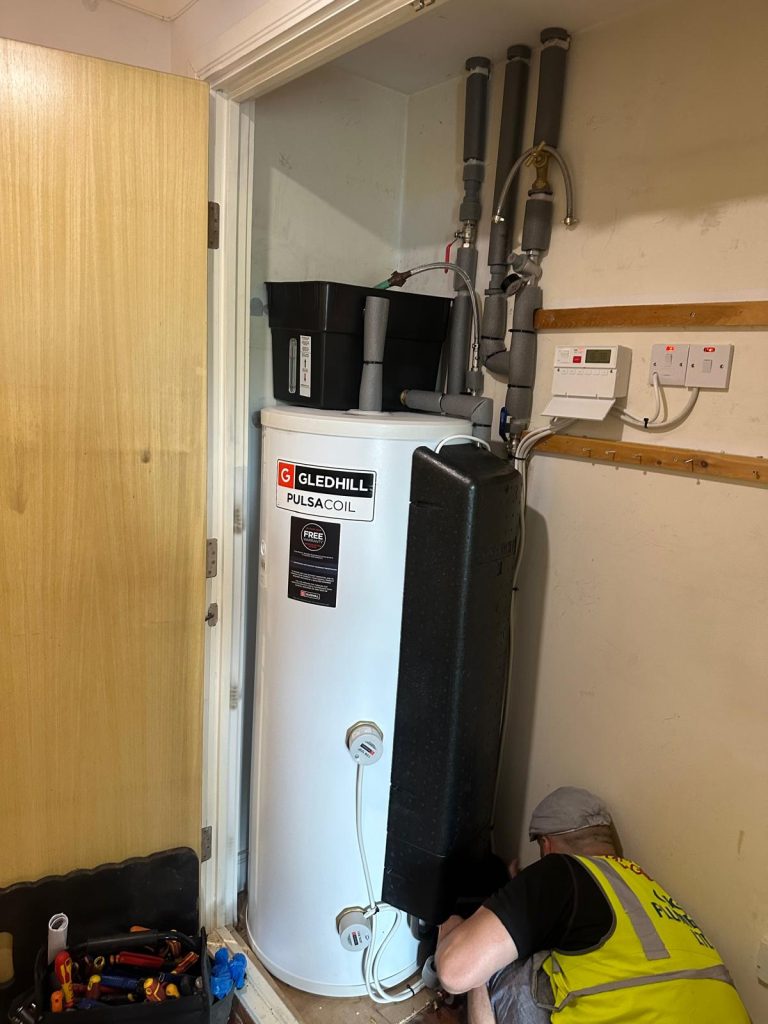
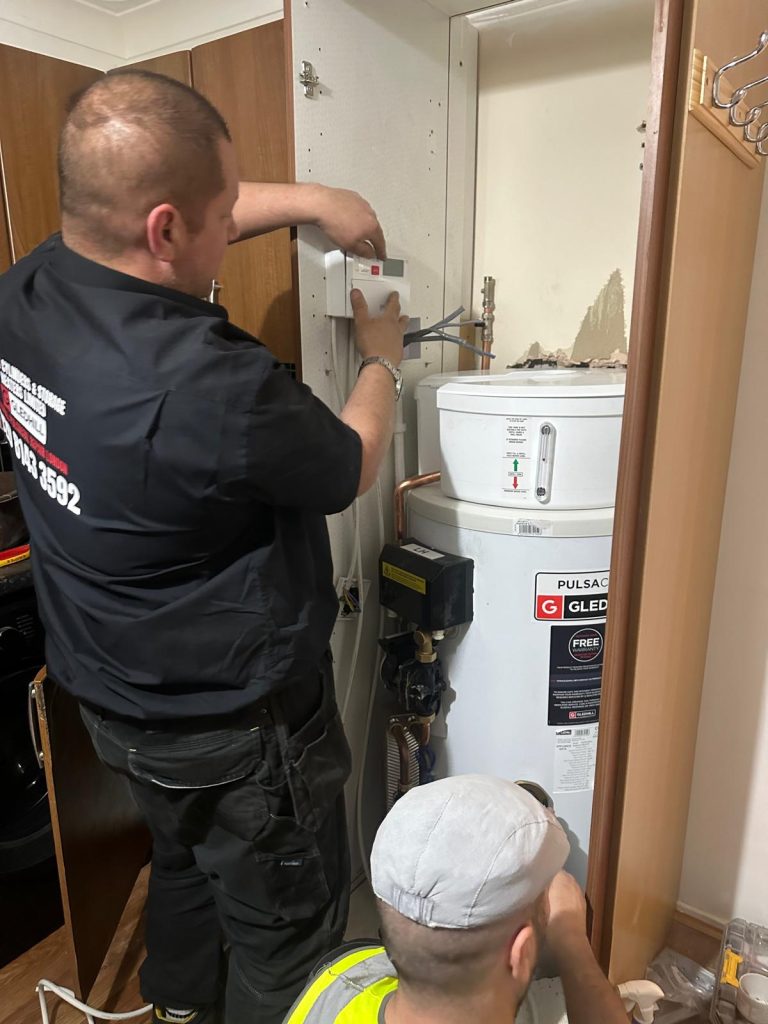
Arrange a PulsaCoil Repair in Petts Wood
A professional assessment is the practical next step when a PulsaCoil fault is disrupting hot water at your property. Explain what has happened and share the model label if you can read it. The engineer can inspect the appliance and discuss suitable work based on its condition.
You can request an appointment without committing to a particular repair before the fault has been assessed. Contact the repair team to request an appointment for your Petts Wood property.
FAQ
How much does a PulsaCoil repair cost?
The price depends on the diagnosed fault, the model, the parts required and the agreed work. A repair involving a small component may involve different work from an electrical investigation or a leak repair. Ask for the proposed work and charge to be explained clearly, including any parts cost, before you authorise the repair.
How long does a PulsaCoil repair take?
The repair duration depends on the fault and the work required. A straightforward component replacement may involve a different amount of work from tracing an electrical fault or identifying a leak. Ask the engineer for an estimate after diagnosis, once the scope is clear. The estimate can change if testing reveals another issue or the planned work needs to be revised.
Do PulsaCoil systems need an annual service?
Open-vented PulsaCoil appliances do not require an annual service, maintenance or safety check. This does not apply to every type of hot-water cylinder. Systems such as unvented cylinders may require a yearly check for safety and warranty cover. Confirm which type of appliance you have before applying a service schedule intended for another system.
Can I repair a PulsaCoil myself?
You should not open or work on electrical components unless you have the right competence to do so. A PulsaCoil fault can involve electrical controls, sensors or other components that need proper testing. Avoid dismantling the appliance to identify the issue yourself. A qualified engineer can diagnose the system and explain whether repair work is appropriate.
Why does my PulsaCoil keep running out of hot water?
A fault is one possible reason, but household demand or store sizing can also leave you short of hot water. A starting thermal-store sizing guideline is 35-45 litres per household resident. Actual use depends on habits, including shower length and bath use. If the shortage persists, have the store size considered alongside the possibility of a fault.
Can an engineer repair a PulsaCoil instead of replacing it?
An engineer can recommend repair when the diagnosis and the system’s condition support that option. The engineer should assess the fault, the appliance’s condition and the repair options before recommending repair or replacement. Ask what the proposed work would address and what it would involve. Replacement should be discussed as a considered option, not assumed before inspection.