
A PulsaCoil fault in Penge is best assessed by an engineer familiar with electric thermal stores, especially when you have lost hot water or spotted a leak. Diagnosis is a practical first step before any repair is recommended.
A thermal store is a system that stores heated water for use as hot water in the home. If your water supply is affected, or warning lights appear, an engineer can assess what the appliance is doing and what needs attention.
The right assessment starts with identifying the model and symptoms, rather than assuming a particular part has failed. This helps you understand the proposed work before deciding what to do.
Use this page to prepare for a specialist assessment, understand what can affect a repair decision and consider the questions to raise before work begins. Treat a visible leak or repeated electrical warning as a reason to arrange a qualified assessment rather than open the appliance.
Pulsacoil Repair Penge: Specialist Help for Thermal Stores
PulsaCoil systems store hot water electrically, so a repair needs someone who recognises thermal stores rather than a general assumption that the appliance is a gas boiler. A thermal store works differently from a conventional gas boiler, and the appliance type matters when work is planned.
Models include PulsaCoil 2000, PulsaCoil A Class, PulsaCoil BP, PulsaCoil Eco and PulsaCoil 3. These are examples to help you identify your unit, not a promise that every provider works on every model.
When you need a PulsaCoil repair near me in Penge, check that the provider accepts your postcode and works on the model you have. The same checks apply when arranging a Gledhill PulsaCoil repair in Penge.
Ask what experience the engineer has with your type of thermal store and whether the assessment includes checking the appliance before recommending a repair. A provider should be able to explain what the proposed work is intended to address.
The words pulsacoil approved engineer may appear in a service description, but you should still confirm the engineer can work on your appliance. A local service’s postcode coverage and model experience are practical checks, not proof of a particular fault or outcome.
Make sure you can describe the unit as a PulsaCoil rather than a conventional boiler when arranging a repair. This gives the service a clearer starting point for discussing the work involved.
Confirm the engineer can work on the model shown on your appliance before arranging a visit.
Common PulsaCoil Faults and What They Can Mean
No hot water is a common PulsaCoil complaint, but it does not identify a single failed part. The same symptom can have more than one possible cause, so an engineer needs to assess the appliance rather than diagnose it from a description alone.
Note what you have noticed before arranging a repair. Common symptoms include:
- No hot water.
- A leak.
- Flashing lights or an error indication.
- Water that overheats or stays lukewarm.
- Unusual banging or gurgling.
These signs help describe what is happening, but they do not confirm which component needs attention. For example, water that stays lukewarm could lead an engineer to check more than one area.
An immersion heater, thermostat, PCB, sensor, pump or scaling can be among the areas an engineer investigates. A PCB is the circuit board that controls parts of the appliance. The right checks depend on the unit and the conditions found during assessment.
Do not order PulsaCoil spare parts based only on a light pattern or a symptom. A wrong part may not address the fault, and a symptom can point to different possible causes. Leave electrical checks and internal repairs to a qualified person.
A leak also needs careful handling, especially if water is near electrical equipment. If water is actively leaking, keep clear of any electrical equipment in the affected area and seek qualified help.
A short note of when the issue began and whether it changes over time can help the engineer understand the problem. If water is actively leaking, keep clear of any electrical equipment in the affected area and seek qualified help.
What to Have Ready Before Booking
A clear model name and a concise description of the fault can help an engineer prepare for the right assessment. Share what the appliance is doing, when the problem began and whether you can see water around it.
The PulsaCoil serial number has 12 digits. It is printed beneath the barcode on the data label or information badge, and may also appear on a dedicated label near the top of the appliance.
Some open-vented cylinder, PulsaCoil or BoilerMate labels also show a delivery note number in the format A12345 and a job number in the format XXX/XX. These details can help identify the appliance record when they are present.
Before you book, have these details to hand:
- The model name shown on the appliance.
- A concise description of what it is doing.
- When the problem began.
- Whether there is visible water near the unit.
- The serial number and any delivery note or job number, if safely accessible.
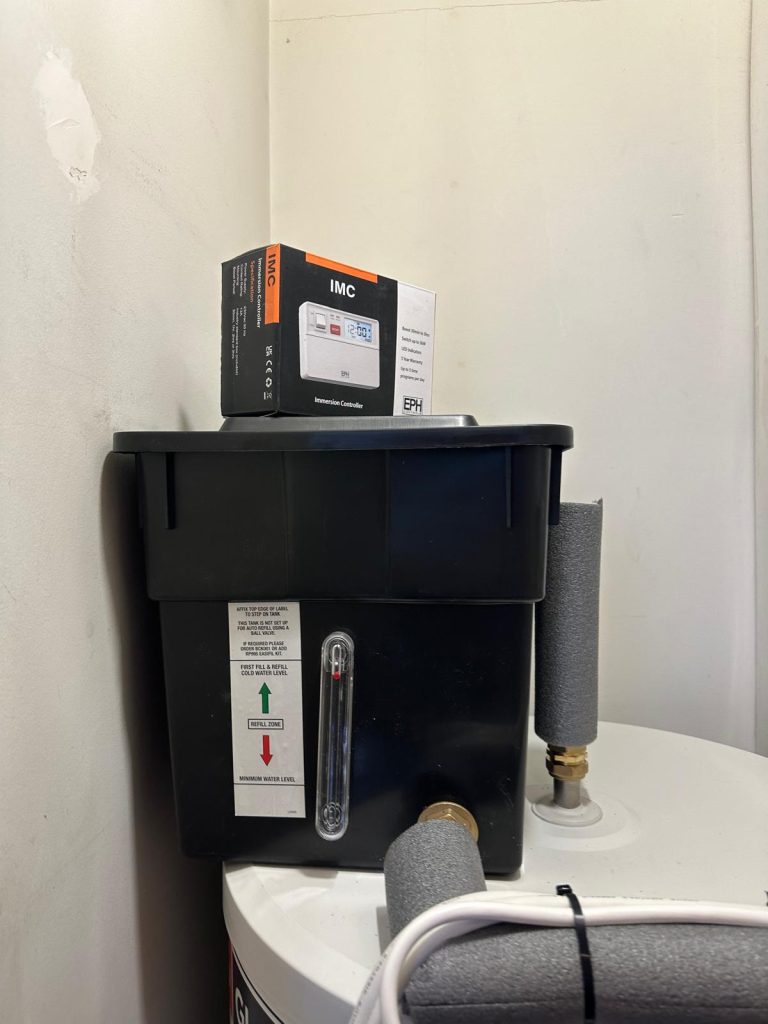
A water level indicator reading may also be useful to report if your appliance has one and you can read it safely. Do not move the unit or touch its controls near a leak to obtain this detail.
You can take a clear photo of the label if it is safely accessible. Keep the original photo or paperwork available for the repair visit, along with any notes about the appliance’s behaviour.
Never remove the casing or touch wiring to find an identification label.
Repair Costs, Quotes and Booking Options
The cost of a PulsaCoil repair in Penge depends on the diagnosed fault, the parts needed and the work included in the quote. Time on site and the scope of the repair also affect the total.
A standard-rate repair quote charges by time. A fixed-price repair quote gives a set charge for defined work. These are different ways of setting out a quote, and neither description means a particular service offers that option.
Before you agree to work, check what the written quote covers:
- Whether diagnosis is charged separately.
- Whether labour is included.
- Whether parts and VAT are included.
- What happens if the repair needs a return visit.
Ask for a written quote for your model and fault before authorising work. That makes it easier to compare repair options and see whether each quote covers the same work.
Check whether the quote describes a fixed price repair for specific work or a standard rate repair charged by time. Ask how any additional work would be agreed before it starts.
You may be able to book online if the provider’s own booking route supports it. If you use an online form, include the model and fault details so the service can understand the type of assessment you need.
A repair that needs another visit may have different costs from work completed during the first visit. Ask how the provider handles that situation, and whether any extra labour or parts would be quoted separately.
Get the agreed scope and any exclusions in writing before authorising the repair.
When to Repair or Replace a Thermal Store
Replacement is worth discussing when the diagnosed repair is extensive or the existing store cannot meet the household’s hot-water needs. The decision depends on the unit’s condition, the repair required and whether its capacity suits your household.
A general sizing guide is 35-45 litres per resident. Daily hot-water use per person is classed as low at 20-30 litres, average at 30-50 litres or high at 50-70 litres.
Personal routines affect demand. A quick shower uses less hot water than a long one, and frequent baths or several showers close together can raise household use.
Typical use figures provide context for sizing, not a replacement for an installer’s assessment:
| Situation | Use at 40°C | Equivalent at 60°C | Sizing note |
|---|---|---|---|
| Shower | 18 litres per minute | 11 litres per minute | Per-minute use |
| Bath | About 100 litres | 60 litres | Per bath |
| Four-person household | Not applicable | Not applicable | Stated minimum tank size 200 litres |
The table gives typical use figures, while the household’s actual routines can shift the capacity it needs. A sizing note such as “equals litres degrees” is not a complete capacity calculation.
Ask the installer to assess the appliance and household demand before choosing a replacement. If a feed expansion tank is part of the system, include it in the installation assessment rather than treating cylinder size as the only consideration.
Ask the installer to check household demand and cylinder capacity before agreeing to a replacement size.
PulsaCoil Warranty and Appliance Records
Check the warranty paperwork before approving chargeable work, because the cylinder and components have different stated warranty periods. Gledhill thermal-store appliances have a 5-year cylinder warranty and a 1-year components warranty.
The cylinder warranty begins on the appliance’s manufacture date. Check that date alongside the warranty documents, then confirm the terms that apply to your particular unit before authorising chargeable work.
The stated components warranty is not the same as a labour warranty. A component may have a warranty period, but that does not mean labour or every repair is covered.
Check the paperwork for any conditions that apply to the appliance and the work being considered. The phrase “parts warranty 1-year” describes the stated components period, not an assurance that a particular part or repair will be covered.
If you are discussing a replacement part, ask how the warranty terms apply to that component and whether any labour is included. Do not assume that a warranty on a component covers the visit or fitting work.
Keep any purchase or installation paperwork with the appliance information. This can help you check the unit’s manufacture date and identify the warranty documents that relate to it.
Keep the warranty documents and any repair records together with the appliance information.
Arrange a PulsaCoil Assessment in Penge
To arrange an assessment, share the PulsaCoil model and the clearest description you can give of the problem. Add the label details if you can reach them safely, so the service has useful information before discussing the visit.
Ask about appointment availability and the scope of any proposed work before confirming. The service can explain the arrangements for your assessment and what the next step would involve.
Contact the service with those details and confirm the appointment arrangements before work begins.
FAQ
How much does a PulsaCoil repair in Penge cost?
The price depends on the diagnosis, parts required, time on site and scope of the quoted work. Ask for a written quote for your model and fault before authorising a repair. Check whether diagnosis, labour, parts and VAT are included, and ask what happens if the work needs a return visit. These details help you compare quotes on the same basis.
Can I still use my PulsaCoil if it is leaking?
No, treat an active leak near electrical equipment as a reason to keep clear and seek qualified help. Do not open the casing or touch wiring to investigate the leak. Tell the service where you can see water and whether it is still escaping. A qualified assessment can establish what needs attention without you risking contact with wet electrical equipment.
How do I find the model and serial number on a PulsaCoil?
Read the model name on the appliance and find the 12-digit serial number beneath the barcode on its data label or information badge. A dedicated label near the top may also show the serial number. Only check details you can reach safely, without moving the appliance or removing a cover. You can share the label information when arranging an assessment.
Is a PulsaCoil a gas boiler?
No, a PulsaCoil is an electric thermal store, not a conventional gas boiler. It stores heated water for use as hot water in the home. That difference matters when you describe the appliance and arrange an assessment, because the engineer needs to recognise the system type before recommending work. Identify it as a PulsaCoil when contacting a service.
Does the Gledhill cylinder warranty start when the appliance is installed?
No, the Gledhill cylinder warranty begins on the appliance’s manufacture date, not its installation date. Gledhill thermal-store appliances have a stated 5-year cylinder warranty and a 1-year components warranty. Check the manufacture date and the documents for your particular appliance, then confirm the applicable terms before approving chargeable work. A component warranty does not itself confirm labour cover.
Should I repair or replace an older thermal store?
Repair is worth considering when the diagnosed work is manageable and the existing capacity meets household demand; replacement merits discussion when the repair is extensive or capacity is unsuitable. Age alone does not establish which option is better. An installer should assess the appliance’s condition, the repair scope and how much hot water your household uses before recommending a replacement size.