
Maintaining your thermal storage unit requires precision and the right components. A Pulsacoil Repair Hook serves as a vital link for internal hardware, ensuring that mechanical systems function correctly during routine maintenance.
When you undertake a Pulsacoil appliance repair, identifying the specific cause of a malfunction is essential. Often, internal parts may stick or hardware might become loose, necessitating a reliable Pulsacoil repair hook replacement to restore full operation.
Effective Pulsacoil fault diagnosis allows you to pinpoint whether you truly need new hardware or if a simple adjustment suffices. Always prioritise high-quality Pulsacoil spare parts over generic alternatives to ensure long-term safety.
Never rely on visual appearance alone when selecting components for your system. Careful testing and verifying compatibility remain the most important steps in any successful maintenance project.
Identifying the Pulsacoil Repair Hook and the Fault It Addresses
Its role in accessing, releasing or positioning internal components
The repair hook serves as a vital tool for internal component access within your heating system. It is specifically designed to reach into tight spaces to release or position delicate parts that are otherwise unreachable. Using the correct appliance repair hook ensures that you can perform maintenance without causing accidental damage to the surrounding structure.
Why the correct tool or replacement part matters
Using a generic tool instead of a compatible repair hook can lead to significant mechanical issues. Precision is necessary when working with complex heating units to maintain system integrity. A proper fit prevents slippage and ensures that the force applied is directed exactly where it is needed.
Sticking, damaged or missing components
Often, a system fault arises from a sticking or damaged internal component that requires manual adjustment. If a part is missing, the hook helps in positioning a replacement correctly. Identifying these physical issues early can prevent more extensive damage to the appliance.
When a fault points to another appliance part instead
Sometimes, the symptoms you observe may not actually stem from the area requiring the hook. A fault might originate from a faulty sensor, a pump failure, or an electrical connection issue. It is important to rule out these external factors before assuming the mechanical linkage is the primary culprit.
| Symptom | Potential Cause | Action Required |
|---|---|---|
| Sticking mechanism | Debris or wear | Use hook to clear/adjust |
| No heat output | Sensor or electrical | Check control board |
| Unusual noise | Pump or fan issue | Inspect motor assembly |
Locating the model and serial information
Before purchasing any parts, you must locate your specific Pulsacoil model number and Pulsacoil serial number. These details are typically found on a data plate attached to the side or back of the unit. Having this information ready ensures that you source the exact components required for your specific build.
Comparing dimensions, attachment points and material
Once you have identified the part, compare the dimensions and attachment points against your existing hardware. The material quality must match the original specifications to withstand the heat and pressure within the system. Never assume that a similar-looking part will function correctly if the specifications differ.
Using manufacturer documentation before ordering
Always consult the official manufacturer documentation to confirm compatibility. This resource provides the most accurate diagrams and part numbers for your specific unit. Relying on verified technical guides is the safest way to ensure your repair is successful and long-lasting.
How to Source and Use a Pulsacoil Repair Hook Safely
Prioritising Pulsacoil safety is essential when you begin the process of repairing your unit. Obtaining the correct components from reliable sources ensures that your system remains efficient and secure. Always verify that you are purchasing from authorised suppliers or specialist appliance-part retailers to guarantee the quality of your replacement parts.
Checking authorised suppliers and specialist appliance-part retailers
Authorised retailers provide genuine components that meet manufacturer specifications. Avoid purchasing from unverified online marketplaces where quality control is often lacking. Using authentic parts is a cornerstone of effective electrical appliance repair safety.
Confirming compatibility rather than relying on appearance alone
Visual similarity does not guarantee that a part will function correctly within your specific model. Always cross-reference part numbers with your appliance’s technical documentation. Relying on appearance alone can lead to improper fits and potential system failures.
Assessing used, generic and refurbished options
Used or generic parts often carry hidden risks, such as premature wear or incorrect electrical ratings. Refurbished items may seem cost-effective, but they rarely offer the same longevity as new, certified components. For critical water heating appliance repair, investing in new, verified parts is the safest choice.
Switching off electrical power and allowing the appliance to cool
Before starting any work, you must isolate the electrical supply at the consumer unit. Allow the appliance sufficient time to cool down completely to prevent thermal burns. This step is vital for maintaining Pulsacoil safety during the maintenance process.
Isolating water or heating connections where applicable
If your repair involves the plumbing circuit, ensure that all water isolation valves are firmly closed. This prevents accidental discharge or flooding while you work on the internal components. Proper isolation is a fundamental requirement for any water heating appliance repair.
Gathering insulated tools, protective equipment and replacement fixings
Use only high-quality, insulated tools to prevent accidental short circuits. Wear appropriate protective equipment, such as gloves and safety glasses, to shield yourself from debris or sharp edges. Having all necessary replacement fixings ready before you start will streamline your workflow.
Reaching the component without forcing or bending it
Internal parts are often delicate and can be easily damaged by excessive pressure. If a component does not slide into place easily, re-examine the alignment rather than forcing it. Gentle handling preserves the integrity of the internal assembly.
Protecting seals, wiring, pipes and surrounding surfaces
Take care to move wiring and pipes aside carefully to avoid pinching or fraying. Use protective covers or cloths to shield surrounding surfaces from accidental scratches or spills. Following these Pulsacoil repair instructions helps maintain the overall condition of your appliance.
Stopping when corrosion, electrical damage or severe obstruction is found
If you discover signs of significant corrosion or burnt wiring, stop the repair immediately. These issues often indicate deeper problems that require professional intervention. Continuing to work on a damaged system can compromise your electrical appliance repair safety.
Reassembling covers and securing every connection
Once the repair is complete, ensure all covers are replaced and secured with the original fixings. Double-check that every electrical and plumbing connection is tight and correctly seated. Loose connections are a common cause of future malfunctions.
Checking for leaks, unusual noise and loose components
Before restoring power, perform a thorough visual inspection of the entire unit. Look for signs of moisture around joints and listen for any rattling sounds. A methodical approach ensures that no loose components remain inside the casing.
Confirming normal operation through a controlled test
Restore power gradually and monitor the appliance for any signs of irregular behaviour. Safe appliance testing involves observing the unit through its initial heating cycle to ensure it reaches the correct temperature without error. If the system operates quietly and efficiently, your repair is likely successful.
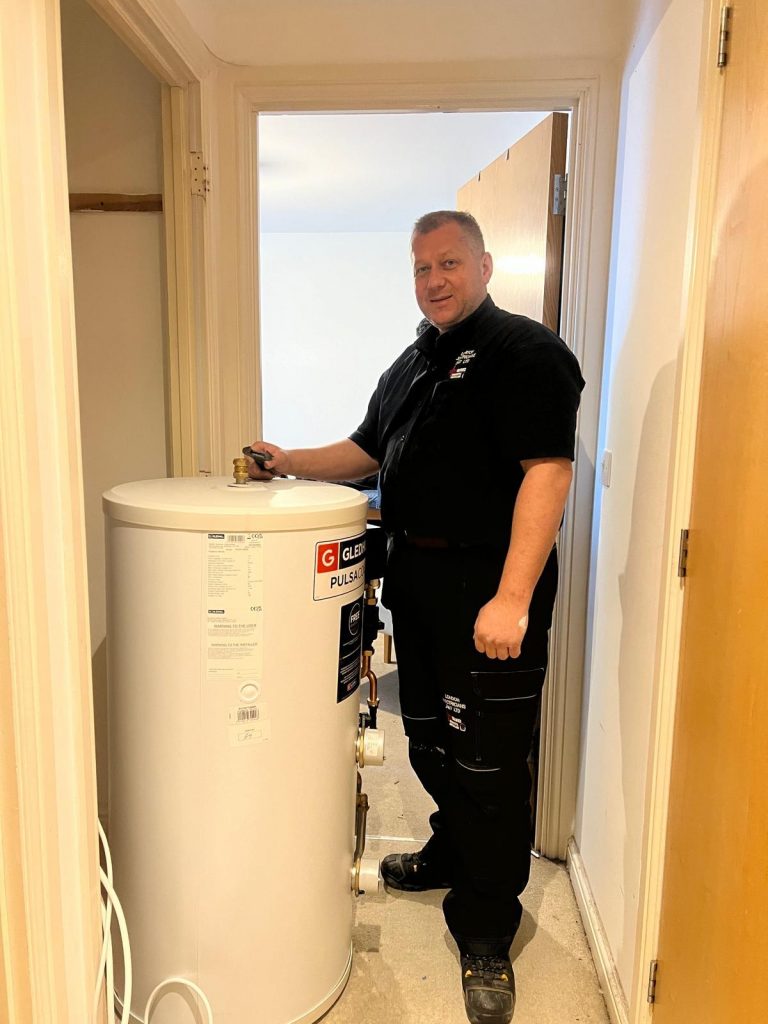
Choosing the Safest Repair Path for Your Pulsacoil Appliance
Deciding to fix your own appliance requires a clear assessment of the task at hand. Simple access and low-risk adjustments often allow for a straightforward repair. Always keep detailed records of removed components and completed checks to ensure your work remains organised.
Professional help is vital when dealing with electrical, pressurised, or heated parts. You should seek expert Pulsacoil service support if you encounter repeated faults or signs of water damage. Uncertain Pulsacoil compatibility can lead to further system failure, so prioritise safety over speed.
Residents in the United States should source parts from an authorised appliance parts supplier. Verify the appliance model and repair-hook specification before purchasing any replacement appliance components. This diligence ensures the items you receive meet strict quality standards.
A reliable appliance repair warranty provides peace of mind for your home systems. Always follow manufacturer guidance to maintain the integrity of your equipment.
FAQ
What is the primary purpose of a Pulsacoil repair hook during an appliance service?
The Pulsacoil repair hook is a specialised component designed to assist in accessing, releasing, or positioning internal parts within the Gledhill thermal store. It is particularly useful when components have become sticking, damaged, or are missing entirely. By using the correct hook, engineers can ensure that internal hardware is manipulated safely without causing collateral damage to sensitive pipework or electrical connections.
How can I identify the correct repair hook for my specific Gledhill model?
To identify the correct part, you must first locate the model and serial information on the appliance data plate. You should then consult official Gledhill manufacturer documentation to compare dimensions, attachment points, and material specifications. It is vital not to rely on appearance alone, as similar-looking hooks may not be compatible with different versions of the Pulsacoil range, such as the Pulsacoil 2000, A-Class, or BP models.
What safety measures are required before using a repair hook on a Pulsacoil appliance?
Safety is paramount when handling internal components. You must switch off the electrical power supply at the consumer unit and allow the appliance to cool down completely to avoid burns from the thermal store. Where applicable, isolate the water and heating connections. It is also essential to use insulated tools and wear protective equipment to safeguard against sharp edges, residual heat, and electrical hazards.
Should I consider using generic or refurbished repair hooks to save on costs?
It is strongly advised to source genuine parts from authorised suppliers or specialist appliance-part retailers. While generic or refurbished options may appear cost-effective, they often lack the precise tolerances required for Pulsacoil appliances. Using non-genuine parts can lead to improper fitment, potentially damaging seals, wiring, or surrounding surfaces, and may ultimately invalidate your manufacturer warranty.
When is it necessary to stop a DIY repair and contact a professional engineer?
You should seek professional assistance if the repair involves electrical, pressurised, or inaccessible components, or if you discover signs of severe corrosion, water damage, or electrical scorching. If a fault repeats after an initial adjustment or if you are uncertain about part compatibility, a qualified engineer should be consulted to ensure the appliance remains safe and functional.
What is the correct procedure for testing the Pulsacoil after a repair has been completed?
Once the repair hook has been used and the components are in place, reassemble all covers and ensure every connection is tightened and secure. Reinstate the power and water supplies, then conduct a controlled test to monitor for leaks, unusual noises, or loose parts. Confirming normal operation through these checks ensures that the repair was successful and that the appliance is safe for continued use.
Where can I find authorised support for Pulsacoil appliances in the United States?
For users in the United States seeking support for British-manufactured Gledhill products, it is important to contact authorised international distributors or specialist heating engineers familiar with thermal store technology. Always match your specific appliance model and repair-hook specification with the details provided by the supplier to ensure you receive the correct guidance and genuine replacement parts.